Preparing students for future careers has become a defining priority in 2026. As industries evolve with AI, automation, and data‑rich workflows, schools are rethinking how learning experiences cultivate adaptable thinkers who can analyze problems, collaborate effectively, and work confidently with intelligent tools. The shift is less about adding more technology for its own sake and more about designing learning that develops21st century skills students will use in any field.
Robotics have emerged as a practical way to make this happen. Because robots are tangible, they turn out abstract ideas, like algorithms, systems, and cause‑and‑effect, into visible actions students can design, test, and improve. Classroom‑ready options such as Ozobot Evo and Ozobot Ari help educators build a developmental pathway: early logic and coding skills in the primary grades that grow into age‑appropriate AI literacy by upper elementary and middle school. In other words, students do not just learn about technology; they learn to think about it.
Ozobot Evo: Foundations in Computational Thinking (Grades K–8)
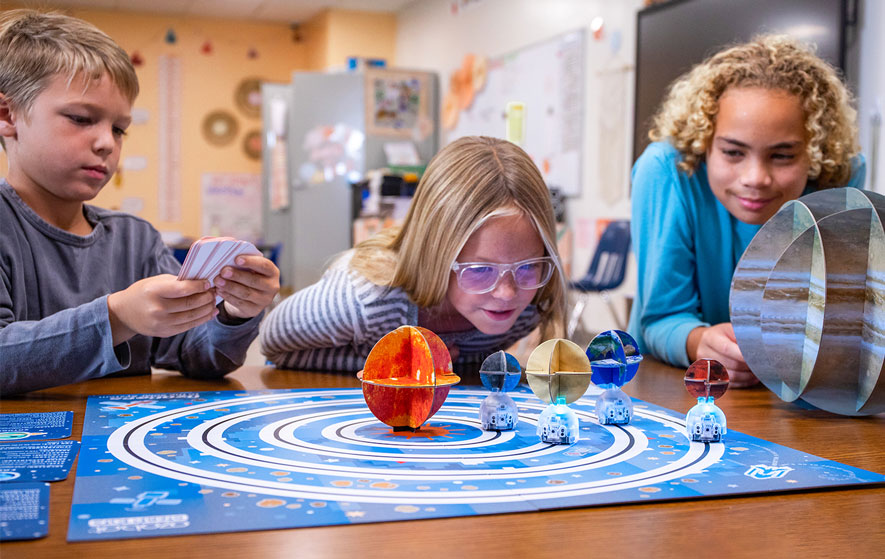
For younger learners, Evo helps build critical early skills for a technology‑driven world. Students begin with screen‑free Color Codes and later progress to block-based coding through OzoBlockly, developing algorithmic thinking in an accessible and playful way.
How Evo Supports Future‑Ready Skills
-
Builds core computational thinking, a foundational skill in automation and AI transform industries.
-
Encourages student agency, which is identified as one of the top accelerators for K–12 innovation in 2026.
-
Supports teachers at all skill levels, aligning with research that emphasizes human capacity, not technology alone, as the key driver of meaningful educational innovation.
By giving students a tangible, hands-on way to experiment with logic, iteration, and problem‑solving, Evo promotes early fluency in the kinds of skills that will matter across every future career.
“ Ozobot creates multiple pathways to success. Students can begin with simple, device‑free activities—drawing lines and using color codes—then naturally progress into block‑based coding and eventually syntax. The curriculum connections are endless; we’ve even used them in French to teach navigational directions, and students always want more. In this constructionist environment, their engagement says it all. Ozobot Blockly supports learners at their own pace while giving teachers a rich set of meaningful, enjoyable tasks.”
Keith Nelson – Director of Education Sales at Logics Academy
Ozobot Ari: AI Literacy for the Next Generation (Grades 3–8)
As AI becomes more deeply embedded in school platforms and workplace systems, AI literacy is emerging as a foundational competency. Analysts predict that understanding how AI works, including its benefits and risks—will be crucial for professional readiness.
Ari introduces these concepts through safe, guided, conversational learning experiences designed specifically for students.
How Ari Supports Future‑Ready Skills
-
Introduces essential AI literacy at a moment when AI is moving from pilot programs to mainstream classroom use.
-
Strengthens critical digital reasoning, one of the top priorities highlighted in 2026 K–12 innovation agendas.
-
Encourages responsible, ethical exploration of AI, aligning with education-sector calls for safe, human‑centered innovation in an intelligence-driven EdTech ecosystem.
Ari helps students understand not only how AI works, but also how to work with it thoughtfully and responsibly. A critical future career skill as AI becomes part of daily life and professional workflows.
Building a Continuous Pathway to Tomorrow’s Careers
Robotics supports a powerful learning experience that aligns with the biggest trends shaping K–12 education today: intelligent systems, personalization, digital citizenship, and future-focused skill development. Together, Evo and Ari offer schools a streamlined way to build a continuous developmental pathway, from early logic and coding foundations to deeper AI literacy—mirroring the progression of skills needed in the modern workforce.
Looking Ahead: The Future‑Ready Classroom
2026 marks a turning point: schools must prepare learners for a world defined by intelligent systems, rapid technological change, and new opportunities. Trends indicate that technology integration will increasingly be evaluated not by novelty, but by its impact on personalization, engagement, and learner growth.
Robotics, especially when paired with AI literacy—is emerging as one of the most impactful and accessible ways to give students the future-ready skills they need today. Evo and Ari fit directly into this shift, supporting age‑appropriate, meaningful skill-building that aligns with the competencies the future workforce will demand.
Want to explore how Evo and Ari can support your school’s future‑ready initiatives?
References:
-
eSchool News. Predictions and priorities for K–12 EdTech in 2026 (trend overview of AI mainstreaming, personalization, and workforce readiness).
-
CoSN. Driving K–12 Innovation 2026: Hurdles, Accelerators, and Tech Enablers (district priorities including learner agency, critical media literacy, and AI as an enabling technology).
Share:
Logics Academy Partners with SuperCode to Bring Real Coding to Life
Introducing Michif Minecraft: A New Way to Explore Métis Culture Through Play